
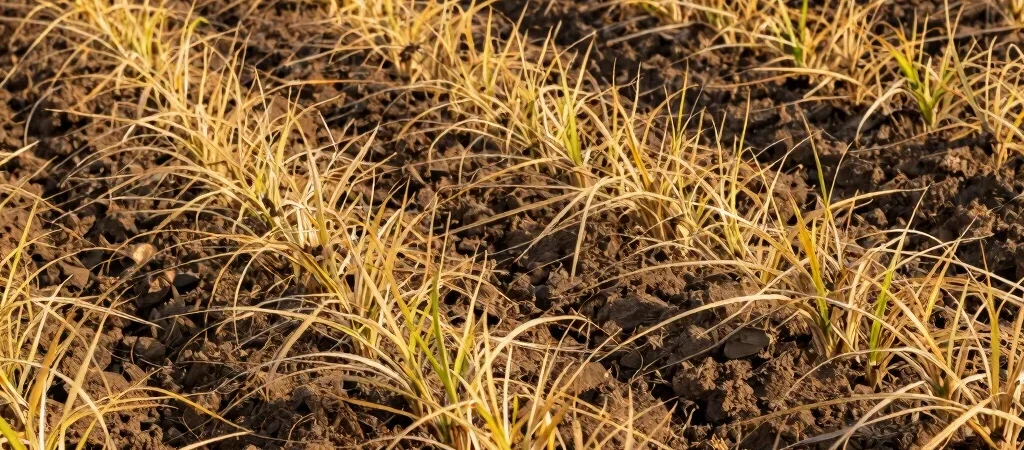
Field-testing cover crop mixtures like cereal rye and hairy vetch reveals that termination timing dictates both soil moisture retention and nitrogen availability for subsequent cash crops. Ending the cover crop stand too early forfeits massive root exudates that feed active mycorrhizal networks during early spring. Conversely, waiting until stems turn woody ties up soil nitrogen as soil microbes consume carbon to break down tough plant residue.
Identifying the Precise Phenological Window
The most reliable indicator for roller-crimping or mowing cereal rye is late anthesis, when pollen sheds visibly from the seed heads. At this stage, plant cell walls contain high structural lignin that prevents regrowth after mechanical crimping without requiring synthetic herbicides. For legumes like crimson clover or hairy vetch, aim for fifty percent bloom to capture peak plant-available nitrogen before the crop shifts energy toward seed production.
Balancing Soil Moisture and Seedbed Preparation
In dry springs, living cover crops actively transpire valuable soil moisture, requiring growers to terminate stands two to three weeks before planting warm-season nightshades or cucurbits. In excessively wet seasons, allowing cover crops to draw down standing water creates workable soil conditions days ahead of bare-ground plots. Monitoring volumetric water content at four-inch soil depth helps balance these competing field moisture demands.
Integrating Residue into Tillage-Reduction Protocols
Leaving crimped residue flat on the soil surface creates a durable mulch layer that suppresses weed seed germination throughout the summer heat. Small-scale growers using walk-behind tractors can equip flail mowers to shred heavy residue while maintaining high organic matter placement right on the soil line. Consistently leaving three to four inches of undisturbed thatch protects earthworm populations while building long-term soil structure.