
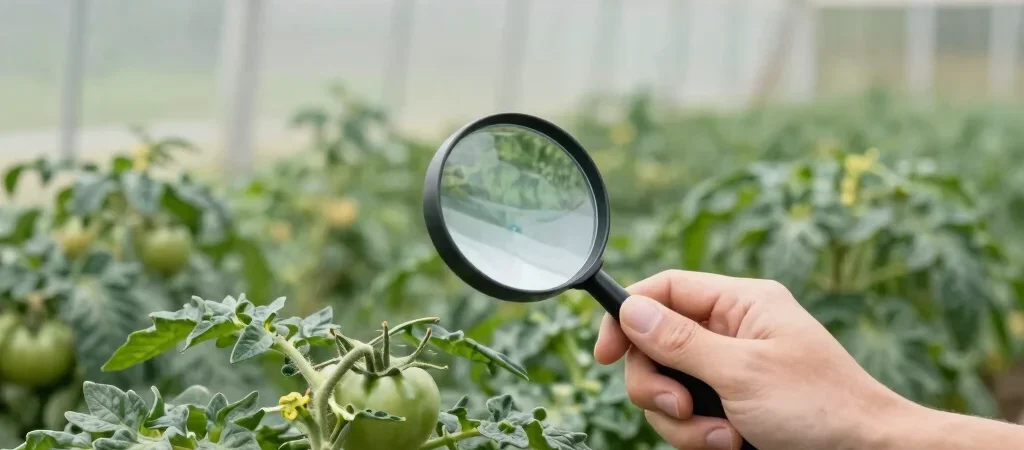
Protected structures create stable, warm environments where pests thrive without natural rainfall or wild predators to suppress their growth cycles. Without clear biological management protocols, aphid and spider mite infestations can destroy high-value crops like greenhouse tomatoes and sweet peppers in days. Effective integrated pest management relies on weekly systematic scouting, crop threshold monitoring, and timed releases of predatory insects.
Establishing Weekly Scouting Routines and Thresholds
Successful scouting requires checking ten percent of the crop canopy twice weekly using a ten-times hand lens to inspect lower leaf surfaces. Yellow sticky cards hung at canopy height track winged pest movement, serving as early warning indicators before visible damage manifests. Documenting pest counts on a simple field chart establishes historical trends across production cycles, allowing growers to act before economic damage occurs.
Deploying Beneficial Biological Controls Effectively
Releasing beneficial organisms like Phytoseiulus persimilis or Aphidius colemani yields peak results when environmental conditions align with insect biology. Parasitic wasps require temperatures above sixty-five degrees Fahrenheit and moderate relative humidity to hunt effectively through dense crop canopies. Introducing biocontrols at the first sign of pest presence prevents populations from overwhelming natural predatory capacity.
Environmental Controls for Pest Suppression
Managing ambient humidity through gable venting and horizontal airflow fans reduces foliage dampness that attracts fungal pathogens and thrips. Keeping high tunnel perimeters mowed creates a clean vegetative buffer zone, minimizing wild host plants for broad mites and leafminers. Simple cultural adjustments, combined with targeted biological introductions, maintain economic balance without resorting to harsh chemical applications.