
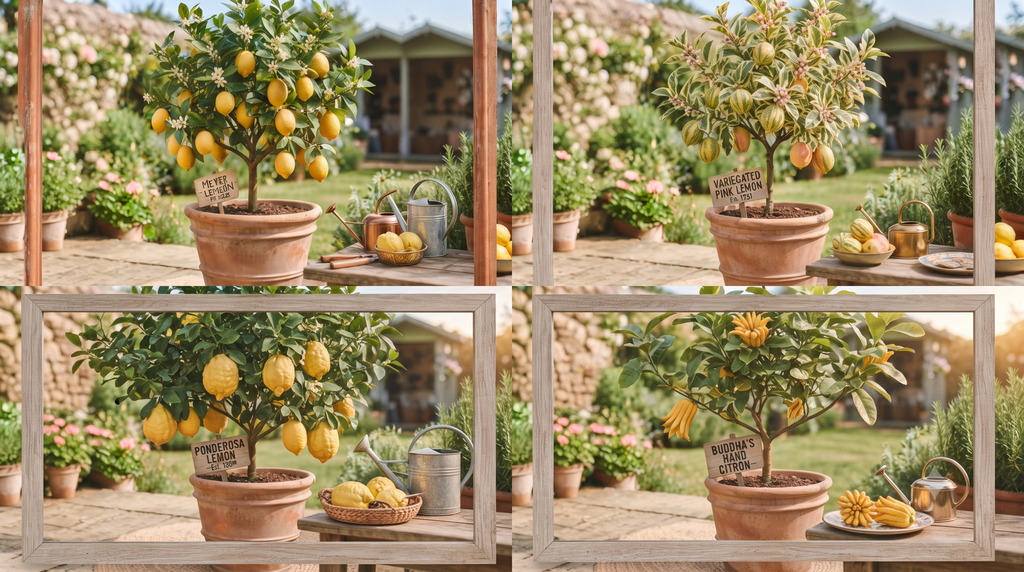
Growing lemons in pots is a good option for people who have a small garden, balcony, terrace, or patio. A lemon plant does not need a large garden if it gets enough sunlight, good soil, proper watering, and regular care.
With the right variety and a suitable container, you can grow a healthy lemon plant at home and enjoy fresh lemons from your own garden.
What Is a Lemon?
Lemon is a popular citrus fruit known for its sour taste and fresh fragrance. It is commonly used in drinks, cooking, salads, and many homemade recipes.
The common lemon is scientifically known as Citrus × limon. Lemon plants are evergreen and usually grow as small trees or shrubs. They have green leaves, fragrant flowers, and yellow fruits.
Biological Classification of Lemon
| Classification | Name |
|---|---|
| Kingdom | Plantae |
| Clade | Angiosperms |
| Clade | Eudicots |
| Order | Sapindales |
| Family | Rutaceae |
| Genus | Citrus |
| Species | Citrus × limon |
The Rutaceae family also includes other citrus plants such as oranges, mandarins, and grapefruits.
Best Lemon Varieties for Pots
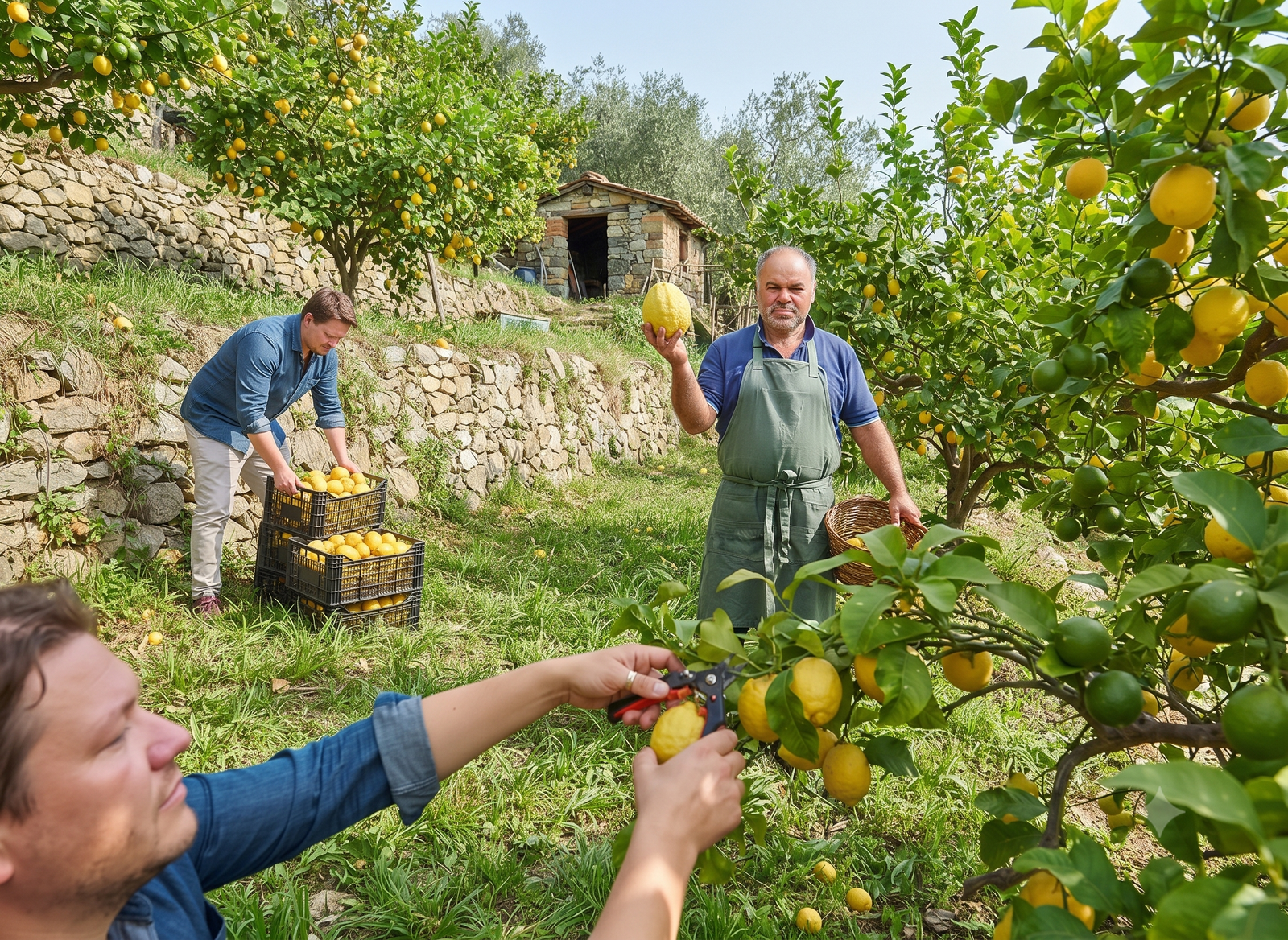
Choosing the right variety is important when growing lemons in containers. Compact and dwarf-growing plants are generally easier to manage in pots.
1. Meyer Lemon
Meyer lemon is one of the most popular choices for home gardens and containers. The plant can stay relatively compact with regular care. Its fruit is usually more rounded and less sharply acidic than many traditional lemons.
2. Eureka Lemon
Eureka is a well-known lemon variety that can produce fruit over a long period under suitable conditions. It can be grown in a large container, although the plant may need regular pruning to control its size.
3. Lisbon Lemon
Lisbon lemon is a vigorous variety that produces plenty of traditional lemon fruits. It can be grown in a pot when given enough space, sunlight, and regular pruning.
4. Dwarf Lemon
Dwarf lemon plants are especially useful for balconies and terraces because they are easier to keep at a manageable size. They are a practical choice when space is limited.
5. Kagzi Lemon
Kagzi lemon is widely grown in India and is valued for its juicy, acidic fruits. It can be a good option for an Indian home garden when the local climate is suitable.
Which Lemon Variety Is Best for a Pot?
For a small balcony or terrace, a Meyer lemon or dwarf lemon plant is often easier to manage. If you have more space and want a traditional lemon, Eureka, Lisbon, or Kagzi lemon can also be considered.
Before buying a plant, check whether the variety is suitable for your local climate and container growing.
Choose the Right Pot
Choose a strong pot with several drainage holes at the bottom. Lemon plants do not like standing water around their roots.
A young plant can start in a medium-sized container, but it will need a larger pot as it grows. A heavy and stable container is useful because mature lemon plants can become top-heavy.
Avoid choosing an unnecessarily huge pot for a small plant because excess wet soil can remain around the roots for too long.
Use the Right Soil
Lemon plants grow best in loose, fertile, and well-draining soil. The roots need moisture, but they also need air.
A simple potting mixture can include good-quality garden soil, organic compost, and a material that improves drainage.
Adding well-rotted compost can improve soil structure and provide nutrients naturally.
Give the Lemon Plant Enough Sunlight
Lemon plants need plenty of sunlight for healthy growth and fruit production. Ideally, place the pot where the plant can receive around 6–8 hours of direct sunlight each day.
A sunny terrace, balcony, or outdoor area is usually better than a dark indoor location.
Insufficient sunlight can result in weak growth, fewer flowers, and poor fruit production.
How to Plant a Lemon Tree in a Pot
Fill part of the container with your prepared potting mixture. Carefully remove the lemon plant from its nursery container and place it in the center.
Keep the top of the root ball at approximately the same level as it was before planting. Fill the remaining space with soil and gently firm it around the roots.
Water the plant thoroughly after planting and allow excess water to drain through the holes.
Do not bury the main stem or trunk deeply in the soil.
How Often Should You Water a Lemon Tree?
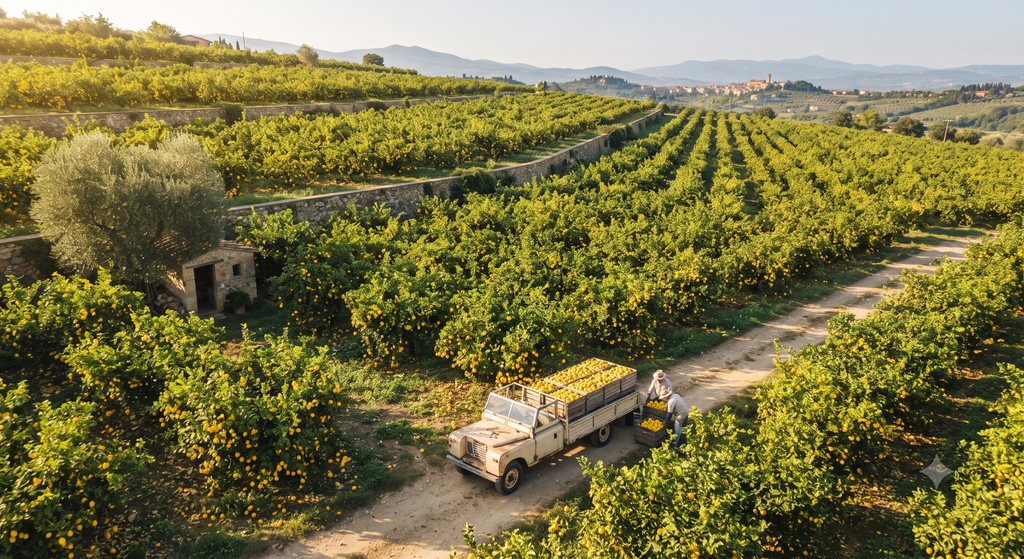
Lemon plants need regular watering, but constantly wet soil can cause root problems.
Check the top layer of soil before watering. If it feels dry, water the plant thoroughly until some water drains from the bottom of the pot.
During hot and dry weather, the plant may need more frequent watering. During cooler or rainy periods, it may need less.
The goal is to keep the soil moderately moist without making it waterlogged.
Use Organic Fertilizer
A potted lemon plant has limited soil available to its roots, so regular feeding can help maintain healthy growth.
Well-rotted organic compost or a suitable organic citrus fertilizer can be used during the active growing season.
Do not add large amounts of fertilizer at once. Too much fertilizer can damage the roots and may encourage excessive leaf growth.
Prune the Lemon Plant
Light pruning can help keep a potted lemon tree healthy and manageable.
Remove dead, damaged, or weak branches when necessary. You can also remove branches that are growing in an unwanted direction.
Avoid heavy pruning unless necessary because excessive pruning can reduce flowering and fruit production.
Protect the Plant From Pests
Lemon plants can sometimes be affected by aphids, scale insects, mealybugs, and spider mites.
Check the leaves, stems, and young shoots regularly. Finding pests early makes them easier to manage.
Good airflow, proper watering, sufficient sunlight, and healthy soil can also help keep the plant stronger.
For an organic garden, use suitable natural pest-control methods and avoid unnecessary harsh chemicals.
When Will a Lemon Tree Produce Fruit?
The time required for fruit production depends on the variety, plant age, growing conditions, and whether the plant was grown from seed or purchased as a grafted plant.
A healthy grafted nursery plant usually produces fruit much earlier than a plant grown from seed. Seed-grown lemon plants can take several years to mature, and their fruit may not be exactly like the parent fruit.
Good sunlight, proper nutrition, and healthy growth are important for flowering and fruit development.
Common Problems When Growing Lemons in Pots
Some common problems include:
- Yellow leaves from watering or nutrient problems
- Slow growth because of insufficient sunlight
- Flowers dropping because of plant stress
- Root problems caused by poor drainage
- Pest attacks on young leaves
- Small fruits due to inadequate nutrition
Regularly checking the plant can help you identify problems before they become serious.
Final Thoughts
Growing lemons in pots is possible even when you have limited gardening space. The most important things are choosing a suitable variety, using a pot with good drainage, providing plenty of sunlight, watering correctly, and feeding the plant regularly.
For small spaces, Meyer or dwarf lemon plants can be practical choices. In larger containers, varieties such as Eureka, Lisbon, and Kagzi lemon can also grow well when their needs are met.
With patience and regular care, a potted lemon plant can become a healthy and productive part of your home garden.